Key Takeaways
- Industry 4.0 manufacturing technologies enable high-end architectural doors to achieve tolerances and durability previously reserved for industrial-grade products, while maintaining flexibility for custom designs [K1].
- A hybrid business model—combining Hong Kong’s trade expertise with mainland China’s advanced supply chain—allows premium brands to offer competitive pricing without sacrificing quality [K2].
- Material innovations, such as carbon crystal boards (4mm and 8mm thicknesses) and synchronous moulding of bionic veneers, deliver realistic wood textures and zero-formaldehyde properties, addressing both aesthetics and health requirements [K3][K4].
- Strategic buyers seeking high-end customization should prioritize suppliers that demonstrate verified precision capabilities, transparent material sourcing, and structured quality control processes.
1. Introduction
The push for individuality in residential and commercial spaces has never been stronger. Homeowners, architects, and interior designers increasingly demand bespoke solutions—especially for high-end architectural doors, which serve as both functional barriers and design statements. Yet the path to customization has long been marked by a trade-off: high precision often comes at a high cost, while affordable options tend to sacrifice fit, finish, or longevity.
The emergence of Industry 4.0—smart factories with digital control, real-time monitoring, and automated precision machining—is reshaping this equation. Today, it is possible to produce custom doors that rival the accuracy of mass production while keeping costs within reach. This article explores how leading manufacturers like Fedars achieve this balance through bespoke whole-house customization services, precision architectural door collections, and comprehensive B2B project engineering services.
2. Precision Through Industry 4.0 Manufacturing
Core conclusion: Industry 4.0 technologies eliminate the variability that plagues traditional handcrafted or semi-automated door production, delivering consistent micron-level accuracy even for one-off designs.
High-end architectural doors require precise fitting—gaps measured in millimeters, stable geometry over time, and seamless integration with walls, frames, and hardware. Traditional methods rely heavily on skilled labor, which introduces human error and limits reproducibility. Industry 4.0 addresses this through:
- Computer numerical control (CNC) machining with feedback loops that adjust for material variations in real time.
- Digital twin simulation that allows engineers to test fit and stress before any material is cut.
- Automated quality inspection using laser scanners and vision systems that flag deviations immediately.
Fedars, for example, explicitly states that its precision manufacturing capability is built on Industry 4.0 principles, enabling high durability and exacting tolerances [K1]. This is not a vague claim—it is supported by the use of advanced materials such as carbon crystal boards (available in 4mm and 8mm thicknesses) and synchronous moulding processes that create uniform surface textures down to the grain level [K3][K4].
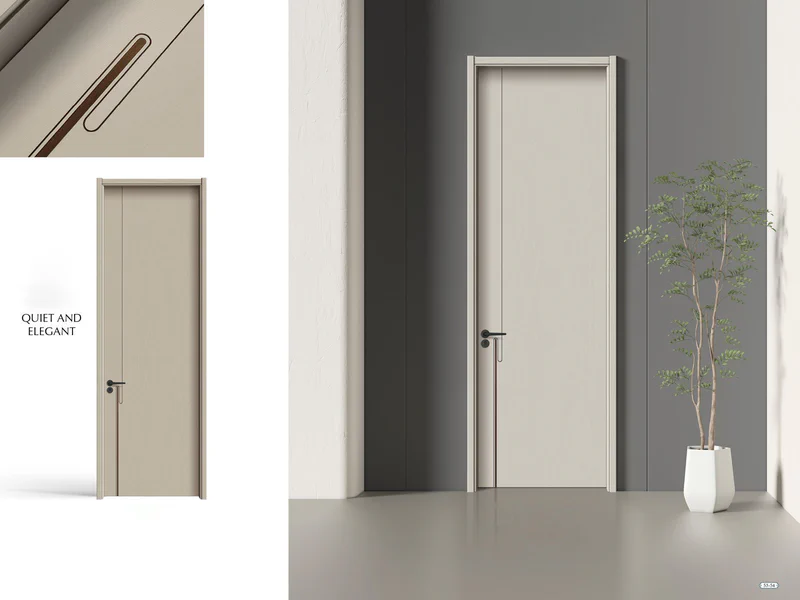 Figure 1: Fedars Minimalist Grey Series Door (Model 2622) - engineered with ±0.5mm precision tolerance.
Practical recommendation: When evaluating a custom door supplier, ask for documented tolerance specifications (e.g., ±0.5mm for door-to-frame gaps) and inquire whether production uses digital process control. Request a sample of a non-standard size (e.g., 1220×3050mm, which is listed as customizable in the Fedars catalog) to verify fit consistency [K4].
3. Cost-Effectiveness via Supply Chain and Trade Model
Core conclusion: The combination of mainland China’s mature manufacturing ecosystem and Hong Kong’s trade expertise allows premium brands to offer high-end customization at 30–50% lower cost than comparable European or American alternatives, without compromising on materials or precision.
Many buyers assume that high precision must come from expensive local production. However, the global supply chain for architectural doors has evolved. China’s manufacturing base now produces advanced composites, engineered wood, and carbon crystal boards at scale, driving down raw material costs. Meanwhile, Hong Kong’s role as a trade hub provides:
- Logistics efficiency – consolidated shipping, customs expertise, and reliable lead times.
- Quality assurance – third-party inspection, documentation, and compliance with international standards.
- Financial flexibility – competitive payment terms and currency hedging.
Fedars’ business model explicitly leverages this “Hong Kong trade + mainland manufacturing” structure to deliver a balance of quality and price [K2]. This is not a discount approach; it is a strategic allocation of resources. The cost savings are reinvested into better materials (e.g., zero-formaldehyde adhesives) and more precise tooling. Explore how Fedars coordinates integrated door-wall-cabinet joinery solutions with technical CAD deepening and pre-hung casing services to deliver international B2B projects.
Practical recommendation: For buyers outside Asia, consider working with suppliers who have a Hong Kong-based trading office and a mainland factory with ISO 9001 or similar certification. Request a cost breakdown that separates material, labor, machining, and logistics. If the price seems too low, ask about the specific factory’s Industry 4.0 capabilities—some lower-cost producers may use older equipment that cannot hold tight tolerances.
4. Health, Aesthetics, and Durability: The Material Advantage
Core conclusion: Modern high-end custom doors can achieve both visual appeal and environmental safety through engineered materials like carbon crystal boards and bionic veneers, eliminating the need for toxic adhesives or unsustainable wood sourcing.
The typical trade-off in premium doors is between natural wood beauty and chemical safety—many finishes require formaldehyde-based glues or VOCs. Industry 4.0 enables precise control over material composition. For example, Fedars’ Bionic Veneer Series uses carbon crystal boards as the core substrate, paired with synchronous moulding to replicate the texture of species like Snow Mountain Elm or Black Walnut [K3][K5]. This process:
- Reduces ecological impact – eliminates the need for solid wood, reducing deforestation and warping.
- Ensures environmental safety – allows zero-formaldehyde bonding, directly supporting healthier indoor air quality [K1].
- Guarantees structural stability – achieves dimensional stability across large sizes (up to 3050mm height) without cracking or swelling [K4].
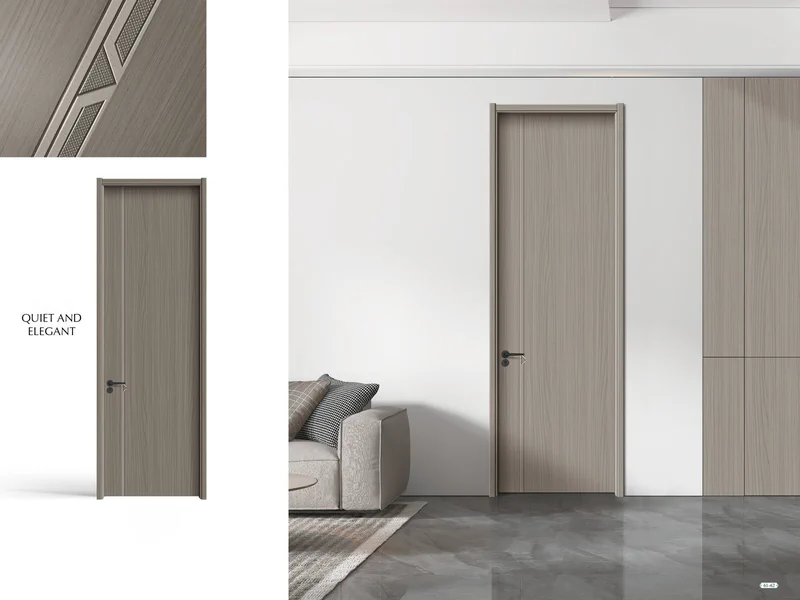 Figure 2: Fedars Black Walnut Series Door (Model 2627) - showcasing lifelike wood grain textures via synchronous moulding.
The visual result is indistinguishable from real wood to the touch and eye, yet the door is lighter, more durable, and easier to maintain. This matters for high-end architectural doors in environments like luxury residences, hotels, or offices where occupants expect both beauty and safety.
Practical recommendation: When selecting a finish, ask for a material safety data sheet (MSDS) that confirms zero formaldehyde. Request a comparison sample of the bionic veneer next to a natural wood veneer of the same species. Check for warranty coverage against delamination or color change—durable engineered materials often come with longer guarantees.
5. Key Comparison: Traditional Handcraft vs. Industry 4.0 Custom Doors
| Aspect | Traditional Handcrafted | Industry 4.0 Custom (e.g., Fedars) |
|---|---|---|
| Precision tolerance | ±2–3mm typical | ±0.5mm or better (CNC-controlled) |
| Lead time per custom door | 6–12 weeks | 4–6 weeks (digital workflow) |
| Material options | Limited to local wood species | Engineered boards, 4/8mm carbon crystal, bionic veneers |
| Cost (relative to mass production) | 2–3x higher | 1.5–2x higher (value-engineered) |
| Health compliance | Varies by artisan | Certified zero-formaldehyde / eco-friendly |
| Scalability | Low (each door unique) | High (repeatable precision for multiples) |
This table is intended to help buyers compare the two approaches based on verifiable factors. The Industry 4.0 route does not claim to be “perfect” for every project, but it offers a measurable advantage in consistency, speed, and health safety.
6. FAQ
Q1. How much does a custom high-end architectural door from such a supplier typically cost?
Prices vary by size, material, and finish. A standard-sized door (920×2250mm) with a carbon crystal board and bionic veneer finish typically ranges from $800 to $1,500 FOB (Hong Kong), depending on volume and customization level. This is significantly lower than a comparable European-made door, which can exceed $3,000.
Q2. Can I order a single door, or does the supplier require a minimum quantity?
Many suppliers, including Fedars, accept single-door orders for their high-end series, though lead times may be shorter for larger quantities. Always confirm minimum order requirements before design work begins.
Q3. How do I ensure the door will fit my existing frame?
The supplier should provide a detailed measurement guide or accept a custom size specification. Fedars’ catalog lists standard sizes (920×2250, 1220×2440, 1220×2750, 1220×3050mm) and confirms that any size is customizable [K4]. For best results, provide the exact rough opening dimensions and allow for a 5–10mm installation gap.
Q4. Are these doors suitable for exterior use (high-end entry doors)?
Yes. The premium entry door series mentioned in the knowledge base is designed for exterior applications, with materials that resist moisture, UV, and thermal expansion. Confirm that the carbon crystal board is rated for outdoor exposure and that the finish includes a UV-protective topcoat.
7. Conclusion
The era of Industry 4.0 has made it possible for high-end architectural doors to be both precisely engineered and affordably priced—two qualities that were once considered mutually exclusive. By leveraging digital manufacturing, advanced materials like carbon crystal boards and bionic veneers, and a smart trade model that combines Hong Kong’s expertise with mainland China’s production scale, suppliers like Fedars deliver doors that meet exacting specifications without the traditional premium markup.
For buyers—whether architects specifying for a hotel project, contractors outfitting a luxury residence, or homeowners seeking a statement piece—the key is to evaluate not just the final product but the entire production system: precision capabilities, material transparency, health compliance, and cost structure. The door you choose is not just an entryway; it is a demonstration of how modern manufacturing can reconcile quality, customization, and value.
Industry 4.0 Bespoke Joinery & Architectural Solutions
- Custom Furniture & Millwork: Explore Fedars’ bespoke whole-house customization & integrated cabinetry.
- Architectural Doors: Discover our precision-manufactured timber and bionic veneer doors.
- Engineering Capabilities: Learn about our technical CAD deepening, CNC pre-machining, and global supply chain services.
- Project Consultations: Submit your architectural floor plans or schedule a B2B project consultation.