Key Takeaways
- Regulatory Compliance: Zero-formaldehyde manufacturing has evolved from a premium marketing highlight to a critical baseline requirement for modern commercial and residential projects, particularly under green building frameworks like LEED and WELL.
- Engineered Core Stability: Architectural wooden fire doors (certified for FD30 and FD60 ratings) can achieve zero-formaldehyde properties without sacrificing structural strength by replacing formaldehyde resins with carbon crystal board cores (4mm and 8mm thicknesses) [K1].
- Clean Chemical Bonding: Eliminating traditional urea-formaldehyde (UF) or phenol-formaldehyde (PF) binders in favor of polymeric methylene diphenyl diisocyanate (pMDI) or water-based soy adhesives eliminates indoor off-gassing and reduces smoke toxicity during fire events.
- Factory-Controlled Precision: Consistent physical performance of zero-formaldehyde composite panels relies on Industry 4.0 digital manufacturing (e.g. CNC hardware pre-processing and automated pressing parameters) rather than manual field fabrication [K1].
1. Introduction
The global architectural and construction sectors are facing strict requirements to deliver healthier indoor air quality (IAQ). Volatile organic compound (VOC) emissions, particularly formaldehyde outgassing from traditional resins and finishes in doors and wall panels, present documented health risks.
However, engineers and architects face a primary conflict: Can a door engineered entirely without formaldehyde-based binders still deliver the high impact resistance, dimensional stability, and fire rating needed for public facilities, high-rise hotels, and healthcare clinics?
This article outlines the technical logic behind zero-formaldehyde composite systems, focusing on certified wooden fire doors. Specifiers can explore Fedars’ ENF-certified zero-formaldehyde door collections or coordinate matching whole-house bespoke joinery and cabinetry to meet strict indoor environmental standards.
2. Zero-Formaldehyde Philosophy: Systemic Materials Selection
Core Conclusion: Zero-formaldehyde compliance requires a complete redesign of the composite door panel, utilizing carbon crystal board substrates and bionic veneers to remove the need for VOC-heavy glues and finishes.
Conventional engineered wood cores rely on urea-formaldehyde (UF) binders, which release free formaldehyde gas throughout their service life. Simply switching adhesives is insufficient because alternative binders require precise pressing pressures and moisture controls to cure properly.
A successful zero-formaldehyde composite door consists of:
- Carbon Crystal Board Substrate: Available in 4mm and 8mm thicknesses, this composite provides exceptional rigidity and impact protection while naturally emitting zero formaldehyde [K1].
- Bionic Wood Veneers: Paint-free, digitally embossed surfaces that replicate natural timber grains (such as D22 Snow Mountain Elm or D12 White Oak) without the chemical preservatives, solvent-based varnishes, or heavy coatings associated with natural wood veneer preparation [K1].
- Non-Toxic Lamination: Assembling these layers under computerized temperature and pressure profiles guarantees structural adhesion without using formaldehyde-based glues.
Real-world Scenario: In high-rise hotel developments, indoor air testing is conducted before hand-off. Installing standard fire doors often results in elevated VOC readings that delay project sign-off. Utilizing zero-formaldehyde door assemblies allows rooms to be occupied immediately after construction, with zero off-gassing.
3. Fire Performance Meets Environmental Compliance: FD30 and FD60 Certification
Core Conclusion: Zero-formaldehyde wooden fire doors achieve full 30-minute (FD30) and 60-minute (FD60) fire resistance ratings by pairing carbon crystal cores with precision-fitted intumescent seals.
Fire door integrity depends on the core’s predictable charring rate and the prevention of heat transfer. While formaldehyde-based glues release flammable and toxic vapors under extreme heat, zero-formaldehyde composite cores char cleanly, generating lower smoke density and reduced toxicity.
Zero-formaldehyde doors, such as those manufactured by Fedars, undergo testing according to international standards:
- BS 476 Part 22: Evaluates fire resistance for non-loadbearing elements.
- EN 1634-1: Standardized fire and smoke testing for doors, shutters, and openable windows [K1].
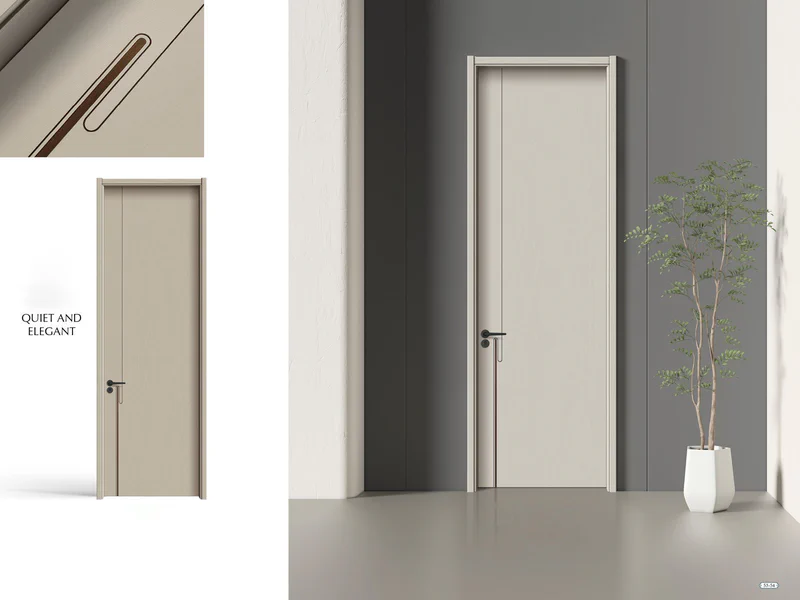 Figure 1: Cross-section detail of a certified fire-rated entry door assembly, featuring carbon crystal board core technology.
Comparative Matrix: Fire Door Systems
| Specification | Conventional Fire Door | Zero-Formaldehyde Fire Door |
|---|---|---|
| Core Composition | Chipboard/MDF with Urea-Formaldehyde (UF) resins | Carbon crystal board or pMDI-bound wood composite [K1] |
| Fire Certification | FD30 and FD60 possible | FD30 and FD60 certified (BS 476 / EN 1634) |
| Formaldehyde Emission | Class E1 limits (some outgassing) | E0/Zero emission (No added formaldehyde) |
| Smoke Toxicity | High (combustion of resin binders) | Very Low (mineral-based composite / clean carbon crystal) |
| Moisture Absorption | Moderate to High (edges swell under humidity) | Extremely Low (carbon crystal core is water-resistant) |
| Surface Finish | Natural wood veneer requiring solvent varnish | Bionic wood veneer (paint-free, zero VOC) |
4. Industrial 4.0 Manufacturing: Precision and Quality Assurance
Core Conclusion: The long-term physical integrity of zero-formaldehyde doors depends on computerized factory assembly, including pre-hung frame integration and CNC hardware pre-processing.
Zero-formaldehyde binders are highly sensitive to manufacturing variations. Fluctuations in moisture, pressure, or temperature during hot-pressing can lead to internal voids or delamination. To achieve zero-defect consistency, manufacturers rely on Industry 4.0 smart factory control:
- German Engineering Controls: Automated monitoring of pressure distribution and heat application across the board surface [K1].
- CNC Hardware Pre-processing: Locksets, latch recesses, and hinge mortises are pre-cut at the factory to tolerances within 0.1mm, eliminating on-site modifications that can damage the door’s core integrity.
- Portaro Pre-assembled System: The door leaf, frame, and hardware are delivered as an integrated unit, minimizing installation errors and eliminating gaps that could allow smoke leakage.
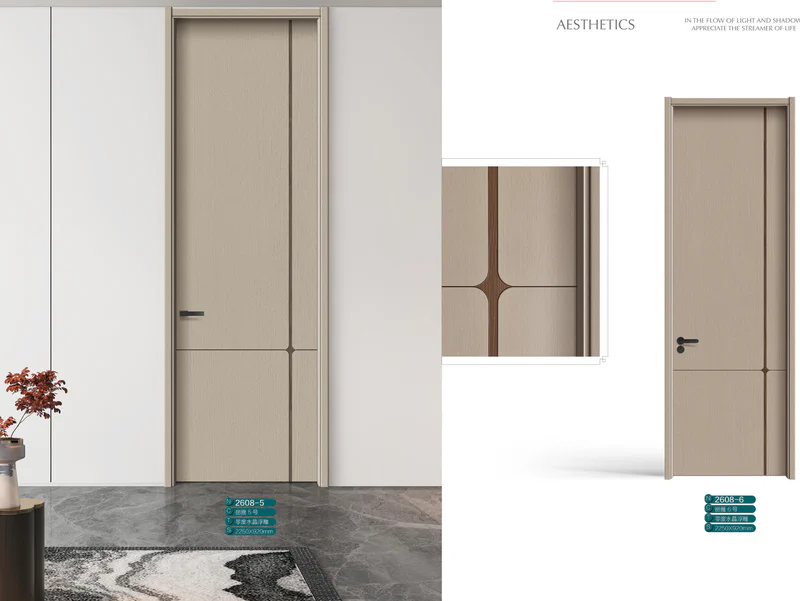 Figure 2: Pre-hung frame system (Portaro-compatible) prepared via factory CNC pre-machining.
Procurement Recommendation: Project managers should avoid raw doors requiring field mortising. Pre-machined, factory-finished, pre-hung systems (available through Fedars’ factory pre-hung and CNC pre-machining services) preserve the door’s zero-formaldehyde status, maintain certified fire safety margins, and reduce installation times by up to 50%.
5. FAQ
Q1. Do zero-formaldehyde fire doors have a shorter service life?
No. In fact, they often last longer. Traditional urea-formaldehyde resins can hydrolyze (break down) when exposed to high humidity, causing structural delamination. Carbon crystal board cores and pMDI binders are highly water-resistant, protecting the door from warping and rot.
Q2. How can I confirm if a door is truly zero-formaldehyde?
Always request third-party testing documentation. Look for CARB Phase 2 compliance, EPA TSCA Title VI certification, or manufacturer chemical reports detailing the use of “no added formaldehyde” (NAF) binders.
Q3. Is there a cost premium for zero-formaldehyde fire doors?
The initial purchase price is generally 10% to 20% higher than standard MDF doors due to the cost of advanced NAF adhesives and carbon crystal boards. However, the total installed cost is often lower because pre-hung, pre-machined systems require significantly less field labor, and the paint-free finishes eliminate the cost of on-site varnishing.
6. Conclusion
The transition to zero-formaldehyde interiors is a practical, achievable standard. By combining stable carbon crystal boards, realistic bionic veneers, and Industry 4.0 manufacturing precision, architectural doors meet strict safety regulations without sacrificing durability. Specifying factory-finished, pre-hung fire doors allows project teams to deliver clean indoor environments while satisfying the highest building code requirements.
Zero-Formaldehyde Architectural Project Solutions
- Healthy Door Collections: Browse Fedars’ ENF zero-formaldehyde architectural and fire door systems.
- Whole-House Joinery: Coordinate bespoke cabinetry and non-toxic interior wall claddings.
- Factory Engineering: Learn about our factory pre-hung casing, CNC mortising, and shop drawing services.
- Technical Inquiries: Request chemical emission test reports or submit your project schedule.