Key Takeaways
- Fire Door Standards: UK building regulations mandate fire doors rated FD30 (30-minute) or FD60 (60-minute) in flats, HMOs, and upper-floor rooms of houses, tested to BS 476 or EN 1634 standards [K1][K2].
- Forced Entry Resistance: PAS24 is the benchmark security specification for doors and windows in the UK, required to satisfy Building Regulations Part Q (Security) in new dwellings and backed by the police “Secured by Design” initiative [K1].
- System-Matched Hardware: Fire and security compliance rely on the entire door assembly (leaf, frame, and hardware). Source integrated door systems from accredited suppliers (like Deanta UK or Fedars) to ensure compatibility [K1][K3].
- Material Innovation: Advanced materials like carbon crystal boards and bionic wood veneers provide high-end interior aesthetics while complying with strict fire safety and security guidelines [K3][K4].
1. Introduction
Renovating residential properties in the United Kingdom requires strict adherence to building regulations. Homeowners, general contractors, and interior specifiers must navigate various safety specifications, particularly fire door regulations and the PAS24 security standard.
These certifications depend on the door’s core construction and the integrated hardware (locks, hinges, closers, and seals) that transform a decorative panel into a functional safety barrier. This guide explains what these standards mean, how they relate to hardware choices, and how certified architectural door collections from established suppliers like Deanta UK and Fedars simplify the certification process.
2. Fire Door Standards: FD30, FD60, BS 476, and EN 1634
Core Conclusion: Fire doors are certified by their ability to delay fire and smoke spread. In UK dwellings, doors must carry an FD30 (30 minutes) or FD60 (60 minutes) rating, backed by testing to BS 476 Part 22 or EN 1634-1 [K1][K3].
Fire doors are typically required for:
- Entrance doors to apartments leading to shared corridors.
- Internal doors in Houses in Multiple Occupation (HMOs).
- Doors separating habitable rooms from integral garages.
A compliant fire door must feature a solid, non-combustible core rather than a hollow honeycomb structure. Deanta UK offers FSC-certified solid core doors designed for fire applications [K1]. Fedars manufactures FD30 and FD60 doors utilizing a rigid carbon crystal board core (available in 4mm and 8mm thicknesses) that prevents warping under high temperatures [K2][K3]. Explore Fedars’ certified residential fire door systems or review our technical CAD deepening & pre-hung engineering services for UK multi-residential projects.
Furthermore, fire doors require intumescent strips along the edges, which expand when exposed to heat to seal the gap between the door leaf and frame, preventing smoke and flame penetration.
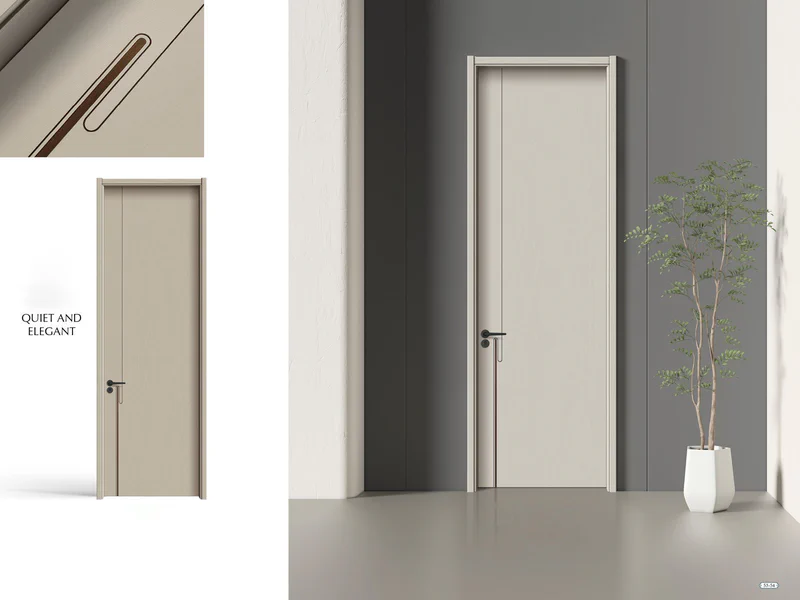 Figure 1: Cross-section detailing the components of a certified fire-rated entry door.
3. PAS24: The Security Standard for Doors and Windows
Core Conclusion: PAS24 is a product specification testing the forced-entry resistance of external door and window assemblies. It is required under Building Regulations Part Q (Security) for new dwellings [K1].
Unlike fire ratings, PAS24 focuses on preventing unauthorized access. The test subjects the complete door set—leaf, frame, locks, hinges, and glazing—to simulated physical attacks using crowbars, drills, and screwdrivers.
Key requirements for a PAS24 door set include:
- Multipoint Locking System: A mechanism securing the door at multiple points along the frame.
- Security Cylinder: Cylinders certified to TS007 (3-star) or SS312 (Diamond grade) that resist snapping, drilling, and picking.
- Attack-Resistant Glazing: Laminated glass (complying with EN 356 Class P4A) for doors containing glazed panels.
Deanta UK manufactures door frame systems that are fully PAS24-compliant and partnered with Secured by Design, the official UK police security initiative [K1]. For high-end specifications, Fedars’ door sets can be configured with enhanced security locks and reinforced frames to meet domestic security requirements [K3].
4. The Critical Role of Hardware in Compliance
Core Conclusion: A door leaf cannot achieve compliance on its own. Fire and security performance depend on using matched, tested hardware assemblies. Substituting non-rated hardware can invalidate the product’s certification.
For fire compliance, the required hardware elements include:
- Self-Closing Device: An overhead closer or spring hinge tested to BS EN 1154.
- Fire-Rated Hinges: Typically three steel hinges per door leaf, tested to BS EN 1935.
- Intumescent and Smoke Seals: Fitted along the frame or door edges to prevent hot gas and cold smoke spread.
For PAS24 security compliance, the critical hardware components are:
- Multipoint lock with a minimum of three locking bolts.
- Reinforced hinges with security hinge bolts to prevent the door from being lifted off its hinges.
- Anti-snap cylinders and protective handle backplates.
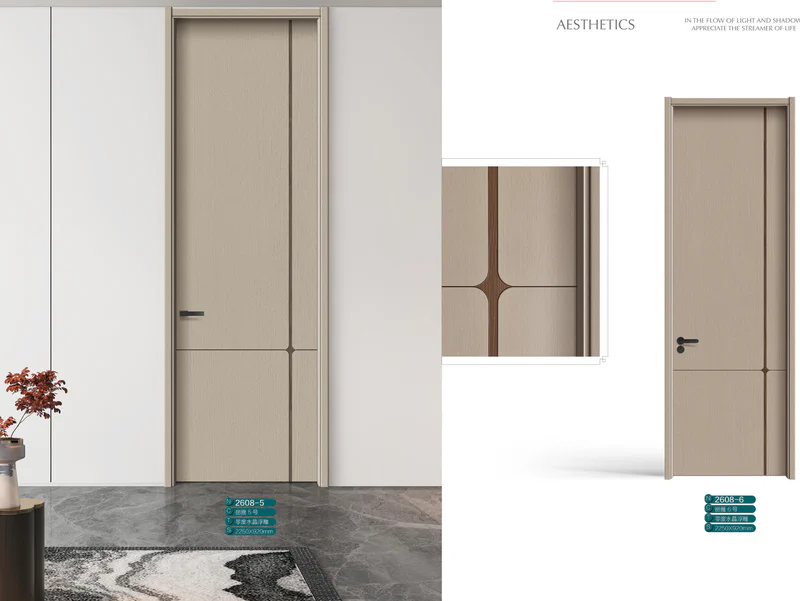 Figure 2: Pre-hung frame system featuring factory CNC hardware preparation for precise lock and hinge alignment.
To avoid compliance issues, specifiers should select integrated door sets. Deanta provides matched sets including doors, linings, skirting, and architraves to ensure consistent installation [K1]. Fedars uses automated CNC pre-processing to machine hardware slots at the factory, ensuring that locks, hinges, and seals fit precisely within the tolerances verified during certification testing [K3].
5. Fire Door vs. PAS24 Security Door: Core Comparison
| Feature | Fire Door (FD30 / FD60) | PAS24 Security Door |
|---|---|---|
| Primary Objective | Contain fire and smoke (30 or 60 minutes) | Resist forced physical entry by intruders |
| Test Standards | BS 476: Part 22 or EN 1634-1 [K2] | PAS 24:2016 (Part Q Compliance) [K1] |
| Critical Hardware | Self-closers, intumescent seals, fire-rated hinges | Multipoint locks, anti-snap cylinders, hinge bolts |
| Common Locations | Corridors, flat entrances, garage doors | External front/back doors, ground-floor windows |
| Dual Certification | Yes – doors can be certified for both fire and security when tested as a combined unit. |
6. Practical Considerations for UK Renovations
- Verify Project Requirements: Confirm whether your project requires Part Q security compliance (typical for new builds and major conversions) or fire doors (flats, HMOs, and houses over two storeys).
- Inspect Labels: Look for permanent certification labels (such as BM TRADA Q-Mark or Certifire plugs) on the door leaf.
- Choose Complete Assemblies: Avoid buying leaves and frames separately. Specifying pre-assembled frame systems (like Fedars’ Portaro system via our factory pre-hung and CNC pre-machining services or Deanta’s PAS24 sets [K1]) reduces installation errors.
- Maintain Aesthetics: High safety standards do not require industrial styling. Fedars’ bionic veneers (such as D10 Peach Wood and D01 Black Walnut) mimic natural wood textures over stable carbon crystal board cores [K4][K5].
- Utilize Planning Tools: Visualise the products in place beforehand. Tools like Deanta’s Door Visualiser tool help ensure that compliant doors match your overall interior design [K1].
7. FAQ
Q1. Can a door be both fire-rated and PAS24-certified?
Yes. Many manufacturers offer dual-certified door sets that feature a solid fire-rated core fitted with multipoint locking systems and security cylinders tested to PAS24.
Q2. Is a self-closer mandatory for all residential fire doors?
Yes, a self-closing device (complying with BS EN 1154) is required on fire doors that lead to common areas, corridors, and escape routes to ensure the door remains closed in a fire event.
Q3. Can I reuse old hinges and locks on a new fire door?
No. Fire door certification requires all hardware to be tested as part of the complete assembly. Reusing non-certified hardware voids the fire rating.
8. Conclusion
Achieving building regulation compliance for doors and windows in the UK requires a clear understanding of two main standards: fire ratings (FD30/FD60 per BS 476 or EN 1634) and security specifications (PAS24). The critical link in both standards is the hardware used. Selecting pre-assembled, certified door sets from established manufacturers like Deanta UK and Fedars simplifies installation and ensures that the final installation meets all safety, security, and design requirements.
UK Residential Project Specification Support
- Fire & Security Systems: Browse Fedars’ certified FD30 & FD60 residential fire doors.
- Integrated Customization: Explore our matching bespoke wall panels and whole-house customization solutions.
- Pre-Hung Engineering: Discover our factory pre-hung Portaro casing and CNC ironmongery services.
- Direct Quotations: Submit your UK residential project schedule for an engineering review.