Key Takeaways
- Unmatched Durability: Oak interior doors combine natural structural density with a high Janka hardness rating (approx. 1,360 lbf), providing exceptional resistance to dents and daily wear [K1].
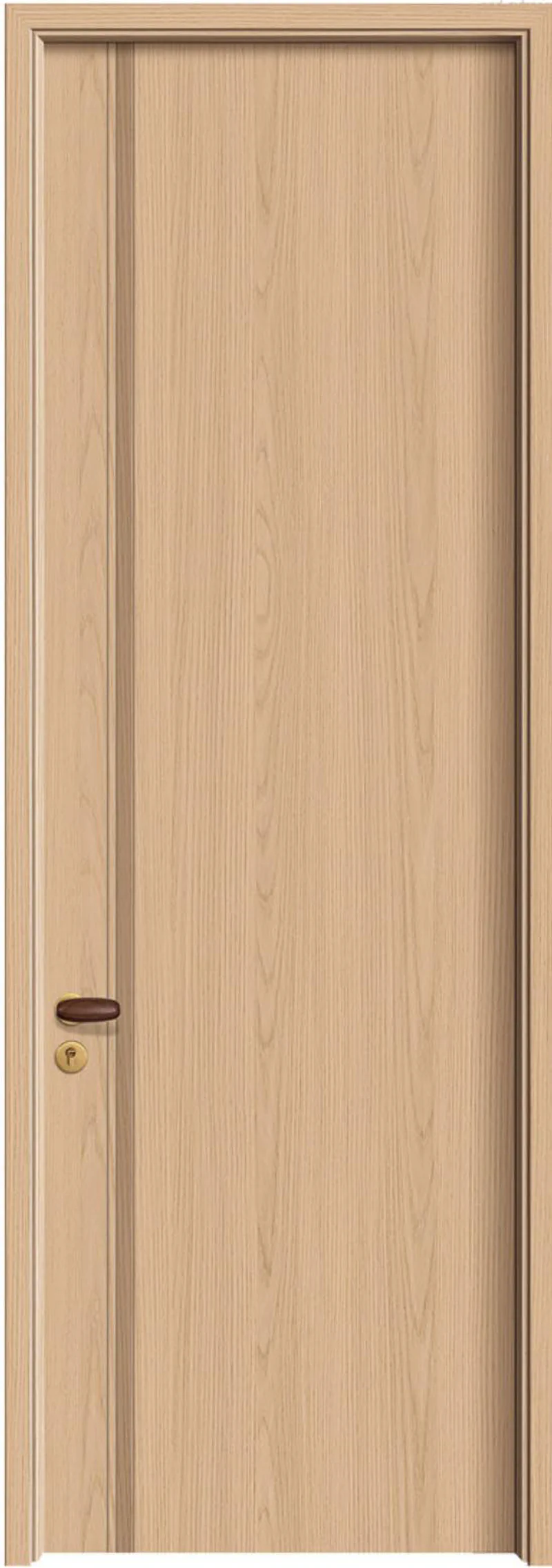
- Aesthetic Versatility: The distinctive grain patterns of oak, replicated through advanced synchronous moulding on bionic wood veneers (like D22 Snow Mountain Elm and D12 White Oak), complement both traditional and modern architectural aesthetics [K3].
- Structural Integrity: Modern engineered cores, specifically carbon crystal board substrates (4mm and 8mm thicknesses), resolve natural wood warping, seasonal movement, and moisture vulnerability [K2].
- Fire-Safety Compliance: When paired with fire-retardant cores and certified frames, engineered oak doors serve as reliable fire-rated doors (e.g., 30- or 60-minute systems) without compromising visual style.
1. Introduction
Architects, contractors, and interior designers regularly face a critical question: Do oak interior doors continue to offer a sound investment, or has their appeal been eclipsed by newer alternatives? The answer is found in the unique combination of oak’s natural resilience and contemporary manufacturing innovations.
In modern commercial and residential construction, performance requirements have escalated. Beyond simple aesthetics, a door must deliver dimensional stability, environmental compliance, and—increasingly—fire safety protection. This article examines the factors driving the enduring demand for oak doors, explores how modern composite architectures (such as Fedars’ engineered oak interior door collections) improve their performance, and outlines how to coordinate matching bespoke whole-house cabinetry and architectural wall claddings.
2. The Foundation of Durability: Oak’s Natural Properties and Modern Engineering
Core Conclusion: Oak’s native density and hardness make it highly resistant to physical damage. When integrated with carbon crystal boards and bionic wood veneers, these doors offer decades of maintenance-free service in high-traffic environments.
Wood is naturally hygroscopic, meaning solid wood panels will swell, shrink, and warp in response to humidity fluctuations. Solid oak doors are also heavy, putting strain on hinges and frames.
To overcome these structural limitations, manufacturers like Fedars employ a hybrid composite structure:
- Carbon Crystal Board Core: A highly stable composite substrate that eliminates warp, cup, and seasonal contraction [K2].
- Bionic Wood Veneer: A paint-free, eco-friendly surface that mimics the exact texture of natural oak species while showing superior resistance to UV fading, moisture, and scratching.
- Synchronous Moulding: A precision manufacturing technique that embosses the physical wood grain texture in perfect alignment with the printed aesthetic design, delivering a realistic wood feel under touch [K2].
Practical Procurement Tip: For high-traffic sectors (such as hotels, offices, and multi-family residential corridors), specify bionic veneer oak doors with carbon crystal cores via Fedars’ factory pre-hung and CNC pre-machining services. This configuration matches the prestigious look of solid oak while eliminating the risk of warping and reducing the door leaf weight, extending hinge life.
3. Texture and Aesthetics: Why Oak’s Look Remains a Classic
Core Conclusion: Oak’s classic grain configurations adapt seamlessly to modern minimalist and traditional interiors. Advanced replication techniques provide consistent texture matching across large projects at a lower cost.
Natural oak possesses a distinct visual texture, but solid wood sourcing is subject to grain inconsistencies, knots, and color variations. The Bionic Wood Veneer Series resolves these variances by offering precise, high-density grain replication:
- Snow Mountain Elm (D22) and White Oak (D12) styles offer clean, bright oak patterns perfect for minimalist or Scandinavian interiors.
- Red Oak (D16) styles deliver a warmer, traditional feel suitable for corporate headquarters and premium residences.
- Floor-to-Ceiling Customization: Suppliers like Fedars support extra-large sizes up to 1220×3050mm [K3], enabling striking, continuous vertical line aesthetics.
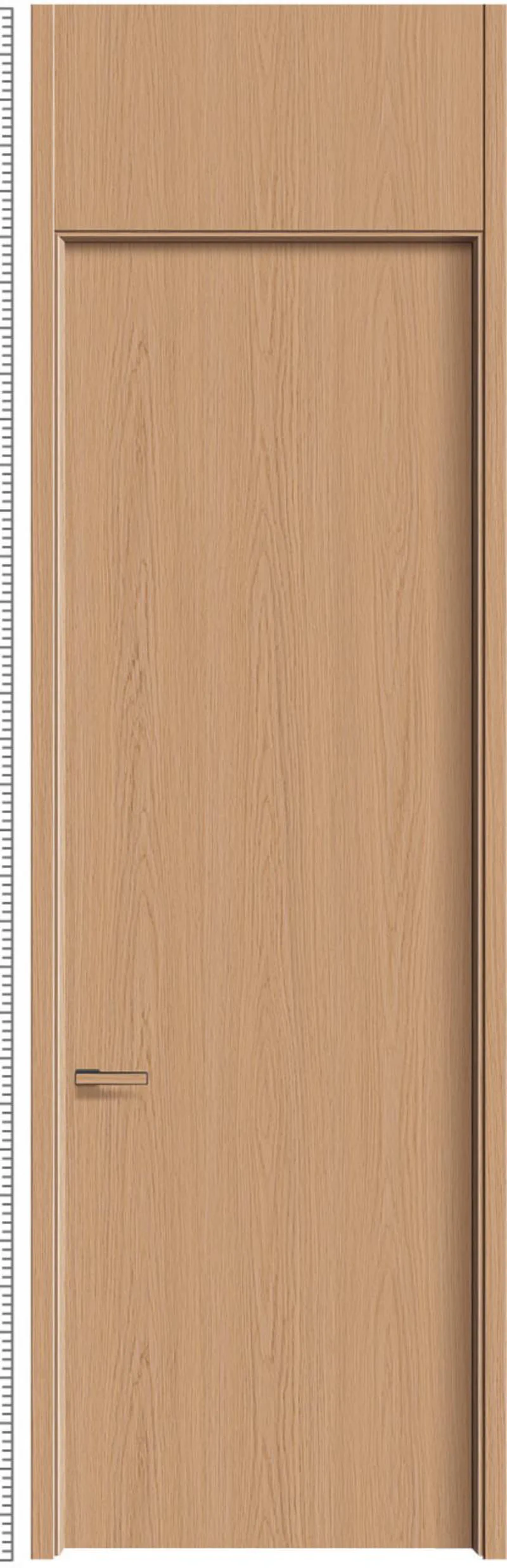 Figure 1: Fedars Red Oak Series Door (Model YQ-20 D16) - showing realistic oak grain texture.
Design Advice: Utilize light oak tones (such as Snow Mountain Elm or White Oak) to maximize light reflection in narrow corridors. If matching doors across a large project, bionic veneers ensure color consistency that cannot be guaranteed with natural solid wood flitches.
4. Long-Term Investment Value: Fire Doors and Beyond
Core Conclusion: The true valuation of an oak door includes its integration into certified fire-rated door assemblies. Selecting doors with carbon crystal substrates provides a reliable barrier against smoke and heat.
Building codes often mandate fire-resistance ratings for entryways connecting living areas to garages, utility rooms, or common corridors. While standard hollow-core doors burn through in minutes, an engineered oak door with a carbon crystal core provides:
- Enhanced Fire Resistance: Carbon crystal cores act as a dense, non-combustible barrier that slows fire spread.
- Intumescent Compatibility: The door leaf edge can be routing-prepared to accept intumescent seals that expand under heat, blocking toxic smoke.
- Low Lifecycle Upkeep: Unlike solid timber doors that require periodic sanding, painting, or varnishing, bionic veneers are paint-free, lowering lifetime maintenance budgets.
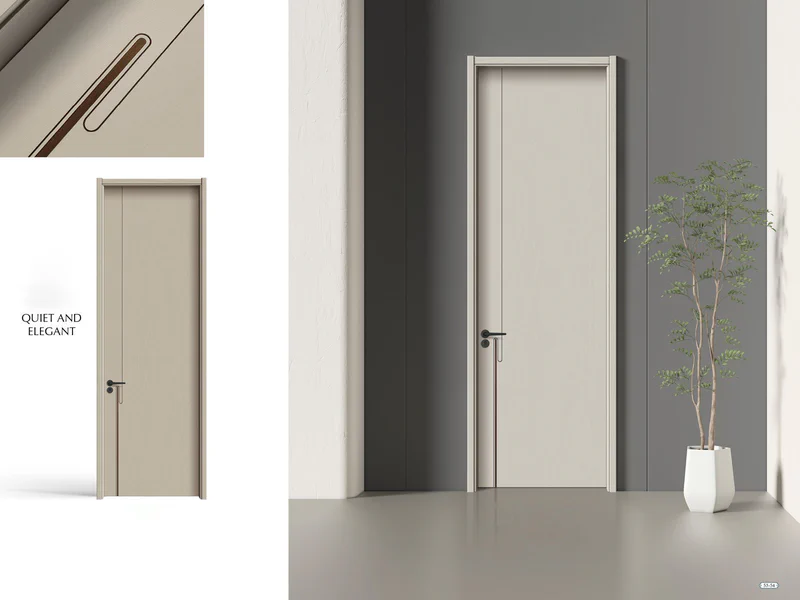 Figure 2: Technical illustration of a certified fire-rated entry door assembly.
Material Investment Comparison
| Door Type | Physical Durability | Aesthetic Consistency | Fire Rating Potential | Upkeep Cost | Lifecycle Value |
|---|---|---|---|---|---|
| Solid Timber Oak | High | Low (natural variances) | Low (requires chemical treatment) | High (sanding/painting) | Moderate |
| Engineered Oak (Carbon Crystal + Bionic) | Very High | Excellent (Consistent) | High (Certified Up to 60 Mins) | Very Low (Paint-free) | Excellent (Long-term) |
| Hollow-Core Oak-Veneer | Low | Moderate | None | Low | Low |
5. Key Considerations When Specifying Oak Interior Fire Doors
- Core Density: Verify that the core uses a dense composite, such as carbon crystal board, rather than particleboard or hollow cardboard honeycomb.
- System Integration: A fire-rated door is a system. Ensure the door leaf, frame, hinges, locksets, and seals are tested together and bear a certification label.
- Formaldehyde Compliance: Choose zero-formaldehyde bonding processes to safeguard indoor air quality, particularly in schools, hospitals, and residential spaces [K1].
- Dimensions: Ensure sizes align with standard structural openings or verify the supplier can manufacture custom sizes up to 1220×3050mm without warping risks [K3].
6. FAQ
Q1. Can an engineered oak door be used as a certified fire door?
Yes. When manufactured with a dense carbon crystal core and paired with intumescent smoke seals, certified frames, and self-closing hardware, engineered oak doors meet standard fire-resistance regulations.
Q2. How does bionic oak veneer differ from real wood veneer?
Bionic wood veneer utilizes synchronous moulding to duplicate the texture of natural oak. It is paint-free, highly scratch-resistant, does not crack or split due to dry air, and is immune to UV fading.
Q3. What is the expected lifespan of a bionic oak door with a carbon crystal core?
Under normal commercial or residential use, the door leaf will last 30 years or more. The core material prevents physical warping, and the veneer preserves its color and grain indefinitely.
Q4. Are fire-rated oak doors a cost-effective choice compared to standard solid wood?
Yes. Although certified fire-rated doors require a higher initial purchase price, they eliminate periodic refinishing costs and satisfy safety regulations, protecting the property’s long-term asset value.
7. Conclusion
Oak interior doors maintain their market dominance because modern materials have successfully resolved the historical limitations of solid timber. By combining the visual warmth of classic oak with advanced engineering—such as carbon crystal boards and synchronous bionic veneers—architects and developers can deliver doors that feature outstanding durability, fire safety potential, and environmental compliance.
Investing in engineered oak doors guarantees that your project’s entryways will withstand both the physical demands of daily traffic and the changing requirements of building safety codes.
Architectural Oak Doors & Whole-House Customization
- Product Collections: Explore Fedars’ engineered oak and bionic veneer interior doors.
- Integrated Millwork: Coordinate bespoke oak cabinetry and architectural wall paneling.
- Engineering Support: Discover our technical CAD deepening, finish matching, and pre-hung casing services.
- Direct Inquiry: Request physical veneer swatches or submit your door schedule for a B2B quote.